
Materials & Ethics
Materials are not neutral.
They carry consequences.
The materials I work with are part of the work itself. Their source, transformation, longevity, and relationship to the environments they enter are considered alongside their visual and physical qualities.
Materials as Responsibility
―
Every material has a consequence.
The responsibility lies in what I choose to do with it.
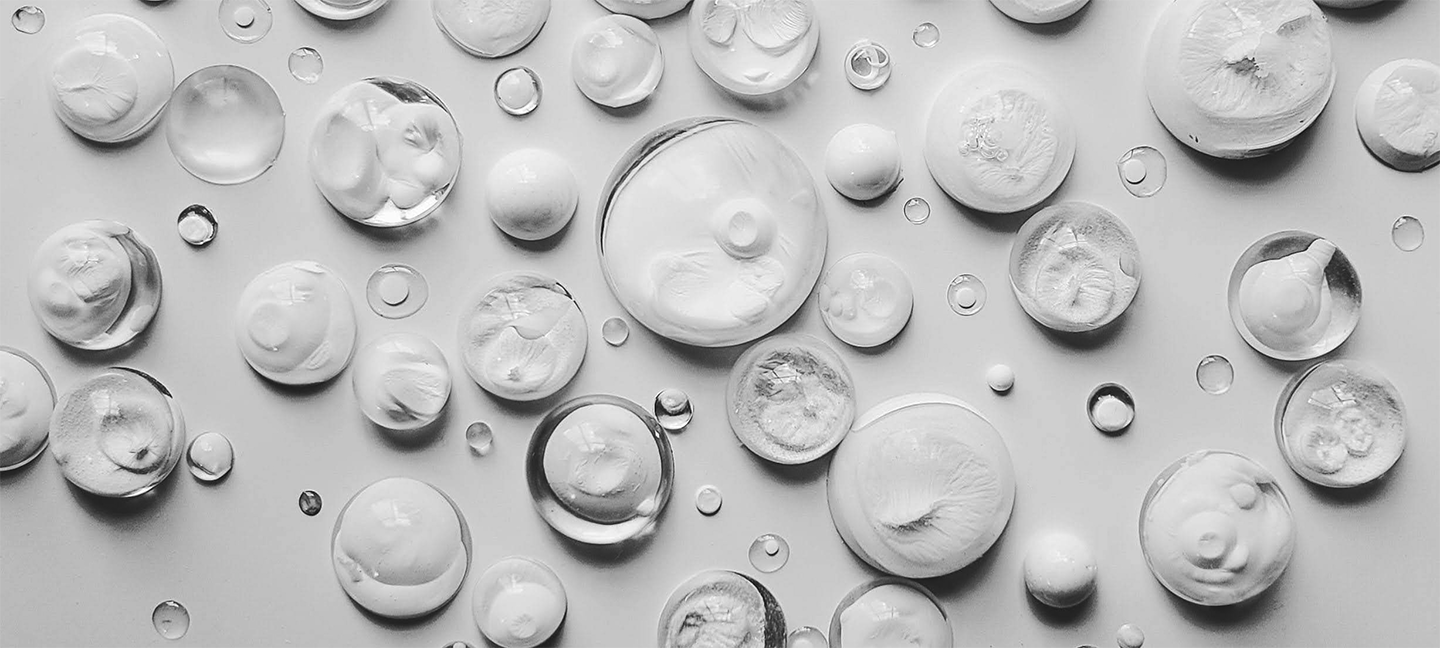
My relationship with materials begins with the understanding that every material has a consequence. I consider where materials come from, what is required to work with them safely, how long they can remain useful, and what happens to them when their original purpose ends.
My practice prioritizes North American-produced bio-based resins, recycled substrates, reclaimed industrial materials, and materials already approaching the end of an existing life cycle. Whenever possible, studio remnants are returned to the making process rather than discarded.
These choices do not make the practice impact-free. Resin still requires significant safety precautions and produces waste that cannot always be recovered. My approach is therefore not based on environmental perfection, but on reducing unnecessary consumption and making deliberate decisions about what enters the studio and what leaves it.
Resin
Health, History, & Choice
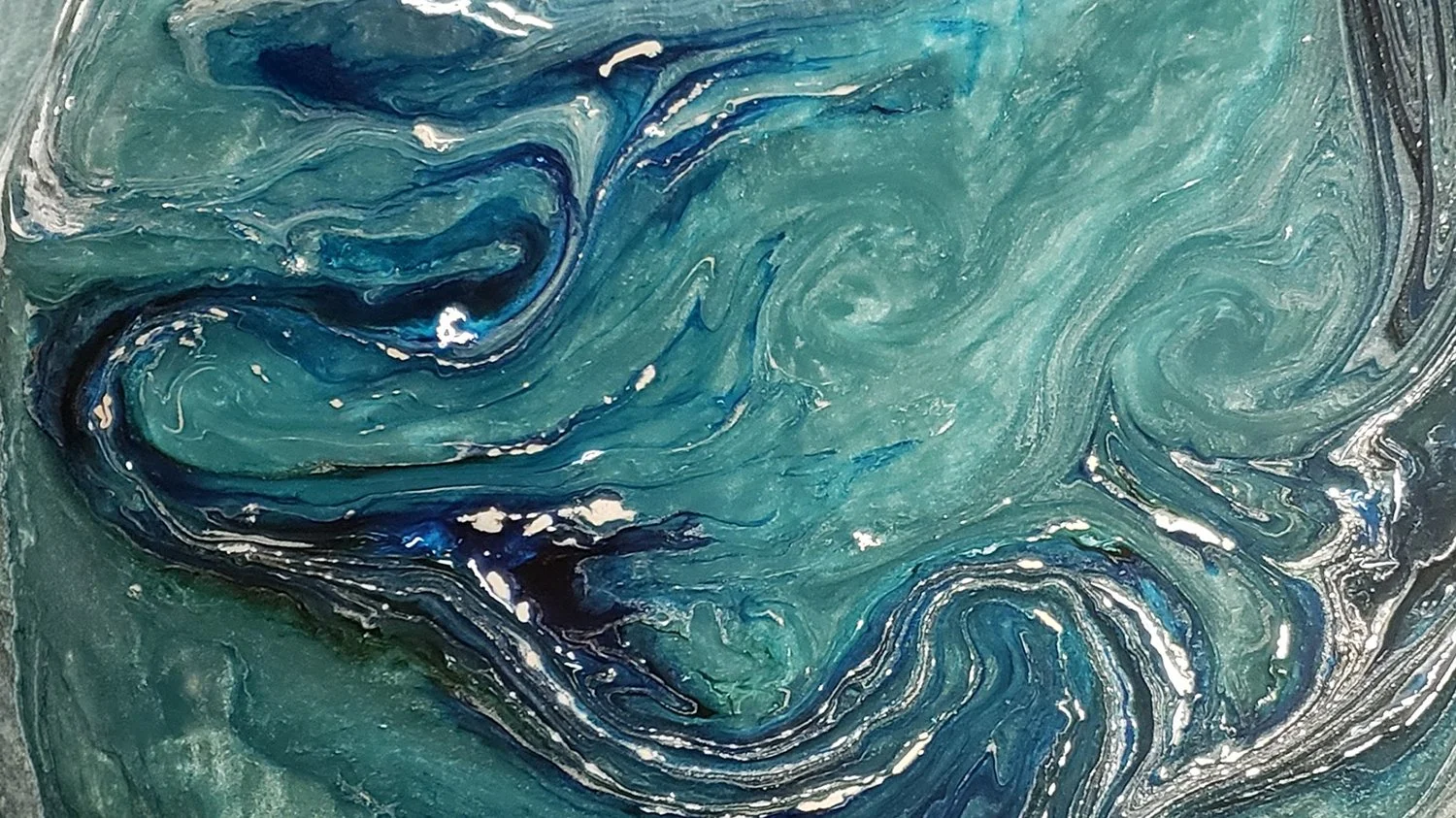
I do not use a single resin across my practice. Different works require different properties depending on their form, scale, construction, and intended display. I select from North American-produced, bio-based resin systems based on the requirements of each work.
Put simply, I prefer resins derived in part from renewable biological sources rather than relying exclusively on what I jokingly call “dead dinosaurs.”
Bio-based does not mean harmless. Resin remains a material that I approach with considerable caution. Depending on the process, I use gloves, eye protection, respiratory protection, or full-face protection. An absence of noticeable odor is never treated as evidence that protective equipment is unnecessary.
I also try to keep cured material in circulation. Offcuts, remnants, failed components, and even recoverable sanding material may become material for subsequent works rather than immediately entering the waste stream.
Materials with purpose
Natural does not automatically mean preferable.
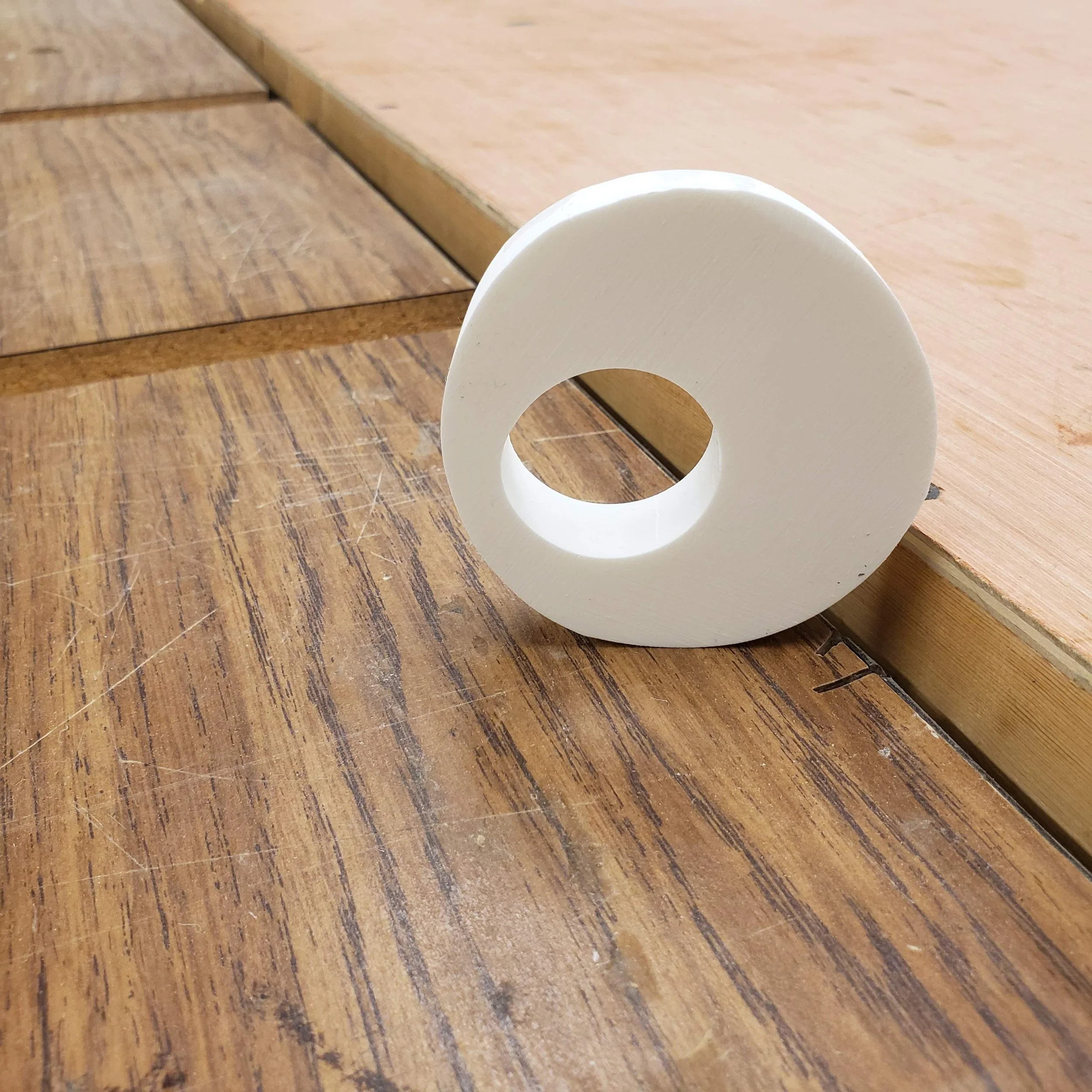
I often choose non-porous papers, recycled substrates, and reclaimed industrial materials because their physical properties better withstand the processes I use. Whenever appropriate, I seek materials that have already served another purpose and can begin another life within the work.
This approach also reflects my preference for leaving natural materials within natural systems when a manufactured material can do the job.
Paper & Substrates
Caution is part of the process
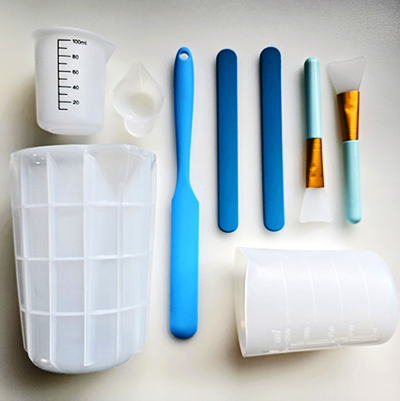
Resin is a material I respect. My studio practice includes protective equipment suited to the specific process at hand.
Gloves, eye protection, respiratory protection, or full-face protection, sometimes all of the above, are part of my standard practice.
A healthy studio supports both the work and the maker.
Studio Practice & Safety
Some impacts cannot be eliminated within my studio. Where materials and processes create limitations I cannot resolve, I look to the wider operation of my practice for additional opportunities to reduce impact.
This extends to how work is packaged and shipped, how the studio uses resources, and the environmental organizations and initiatives I choose to support. These efforts do not erase the impact of making art. There are ways to take responsibility for what I can influence while continuing to look for better options.